
Services
Our comprehensive range of services is designed to meet the diverse needs of our clientele, ensuring utmost satisfaction and efficacy in every engagement. From tailored consulting solutions to innovative technology implementations, we prioritize excellence and client-centricity in all aspects of our service delivery.
With a team of seasoned professionals adept in various domains, we offer strategic consulting services aimed at empowering businesses to achieve their goals efficiently and effectively. Whether it's market analysis, operational optimization, or strategic planning, we provide insights and recommendations tailored to the unique challenges and opportunities of each client. Additionally, our technology services encompass cutting-edge solutions in software development, data analytics, and digital transformation, helping organizations stay ahead in today's rapidly evolving technological landscape. From inception to implementation, we are committed to delivering value-driven solutions that drive growth and success for our clients.

Input Production
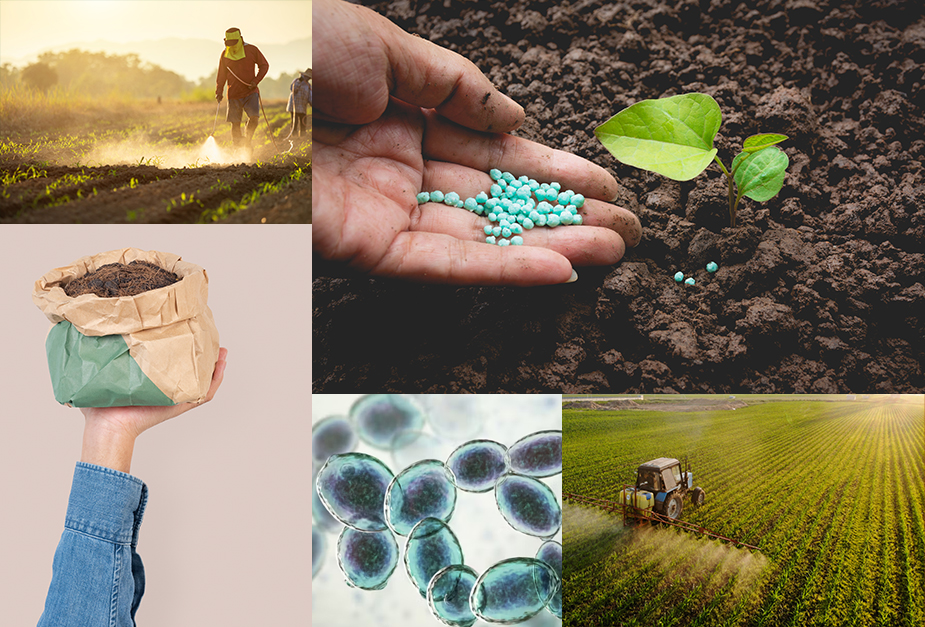
In general, the production of inputs bases on the use of ingredients or raw materials included in those allowed by Bioagricert Standard and other official regulations (e.g., EC Regulation 889/2008, NOP/USDA, JAS, etc.), preferably made with transformation / physical preparation (please see the list reported par. 5). The evaluation methods of the production processes should be based on the “prevention and caution” principle. When the activity of inputs production may damage human or animal health or the environment, the operator should take preventive measures to limit the risks even if the risks cannot be scientifically determined. The operator who applies for inputs certification should demonstrate to have identified the possible risks and the corrective actions to limit them. The preventive measures protocol should include all the areas that may be damaged. The preventive measures protocol should include all possible alternative solutions and also the case where no alternatives are available.
Read More

Crop Production
Organic crop production management should cover a diverse planting scheme. For perennial crops, this should include plant-based ground cover crops. For annual crops, this should include diverse crop rotation practices, cover crops (green manures), intercropping or other diverse plant production methods.

Wild Harvest
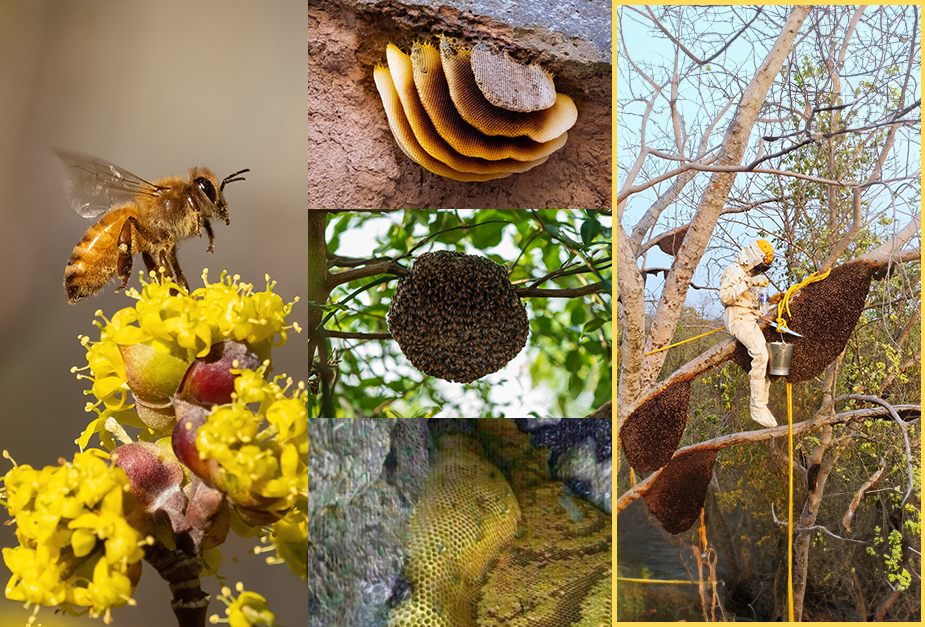
Wild collection certification is required whenever wild products are to be marketed as organic. Wild products are derived from a self sustainable growing environment.
Basic principles of wild collection Only naturally grown plants (without any agricultural interventions), Clearly defined collection
area, The collection area must not have been treated with any non allowed inputs, A good map is needed, it should contain the
outer boarders of the collecting area, Sustainable Collection: Collection does not endanger the ecosystem and that the stability of the plant
population, or the ecosystem is not threatened,
A systematic record of all activities from the collection area to the marketing of the product should be kept for the full traceability
The general requirements for organic wild collection complies with National programme for organic production (NPOP),
India (Considered equivalent to council regulation) (EC) No. 834/2007 and Swiss organic farming ordinance for plant products originating in India and USDA NOP.
There is no conversion period as long as the requirements for the organic wild collection are met.

19 500
Tons of harvest

2 720
No. of Farmers

10 000
Hectares of farm

128
Units of technic
People says about eopl
Endorsements from our clientele underscore our unwavering pursuit of excellence. Uncover the reasons behind their trust in our organic integrity.
After struggling to find a reliable certification partner for our farm, we stumbled upon EOPL, and it's been a game-changer. Their thorough process and attention to detail gave us the confidence to proudly label our produce as organic. The team's expertise and support have been invaluable, guiding us through every step of the certification journey.

We couldn't be happier with the professionalism and efficiency of Eccentric Organic. Their dedication to upholding organic standards is evident in every interaction. With their certification, we've not only enhanced the credibility of our products but also strengthened our commitment to sustainable practices. Highly recommended for anyone seeking trustworthy organic certification.

Get in touch
Ready to take the next step towards organic certification? Reach out to our expert team today for personalized guidance and support. Let's work together to cultivate a greener tomorrow.