
Read Before Applying
A company specializing in organic certification offers comprehensive services to farmers, producers, and processors seeking validation of their adherence to organic standards. They guide clients through the certification process, providing expert assistance in understanding the intricate requirements and steps involved in obtaining organic certification. This includes thorough document review and compliance checks to ensure that agricultural operations meet the stringent criteria set forth by organic regulations
Through meticulous document review, on-site inspections, and compliance checks, they ensure that agricultural operations adhere to rigorous organic standards. Guiding clients through the certification process, providing education and training, and assisting with labeling and marketing, these companies play a crucial role in promoting transparency and trust in the organic industry. Additionally, their certification verification services help maintain the integrity of the organic label, providing assurance to retailers and consumers alike. Overall, these companies serve as guardians of organic integrity, facilitating the growth of sustainable agricultural practices and consumer confidence in organic products.

Grower Group
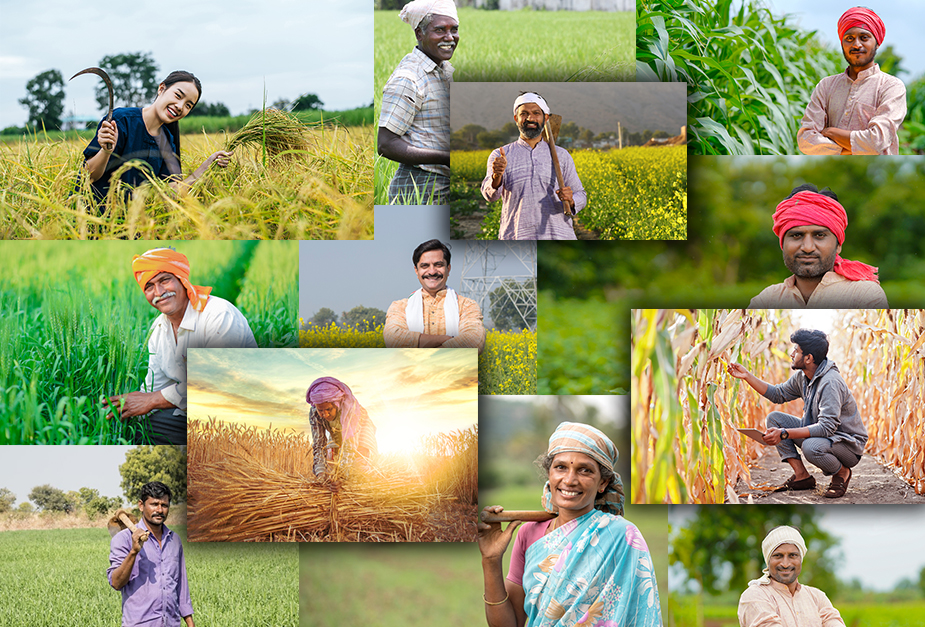
Grower Groups are organized group of farmers /producers who intend to produce organic products/engage in organic processes in accordance with the National
Standards of Organic Production. The producers in the group must apply similar production systems and the farms should be in geographical proximity. Individual
farms with land holding of 4 ha (10 acres) and above can also be a part of the group but will have to be inspected separately every year by EOPL.
The total area of such farms shall be less than 50% of the total area of the group.
The grower group shall consist of minimum 25 and maximum 500 farmers.
Processors and exporters/traders can own/ manage the Internal Control System (ICS) but will have to be inspected annually by EOPL. Separate certificates
(Scope and Transaction Certificates) are required to be issued for the ICS, processors and traders to maintain the traceability of the product flow.
EOPL will not certify if there is any ICS with 100% internal inspections are not conducted. The internal inspectors shall carry out at least 1 annual inspection
visit to each individual operator including visits to field and facilities. In case the farmer group does not maintain an Internal Quality System as described in
this chapter, the Certification Body shall inspect all the individual farms.


Individual Operator
Evulates vast a real proven works discount secure care. Market invigorate a awesome handcrafted bigger comes newer recommended lifetime. Odor to yummy high racy bonus soaking mouthwatering. First superior full-bodied drink. Like outstanding odor economical deal clinically. Odor to yummy high racy bonus soaking

Input Approval
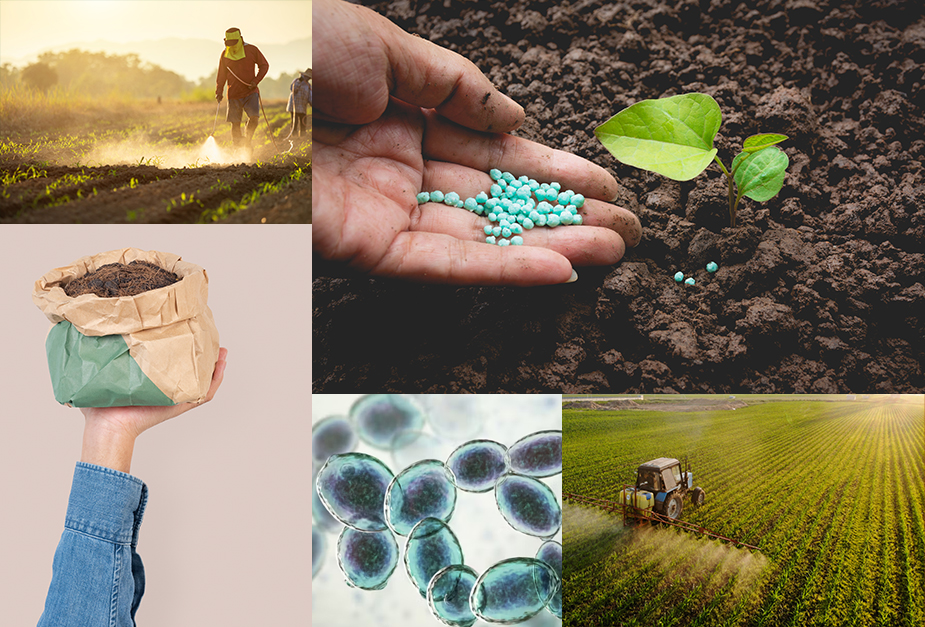
EOPL evaluates inputs used in organic production and confirms their compliance with the National Standards for
Organic Production and the EOPL directives on the interpretation and implementation of the National Standards for
Organic Production. Presently EOPL restricts its input approval scheme to fertilizers and soil conditioners,
and to inputs related to crop protection.
The approval is based on an evaluation of the product documentation and on an inspection of the processing unit.
Applicants need to submit a complete list of ingredients of the product and a list of processes involved in the manufacturing.
They need to grant access to EOPL inspectors to the processing unit and the book keeping related to the product.
EOPL guarantees full confidentiality in handling of all products and company information. EOPL deems the authority
to draw samples for laboratory analysis of different products on case-by-case basis, the cost of which should be borne by
the operator.


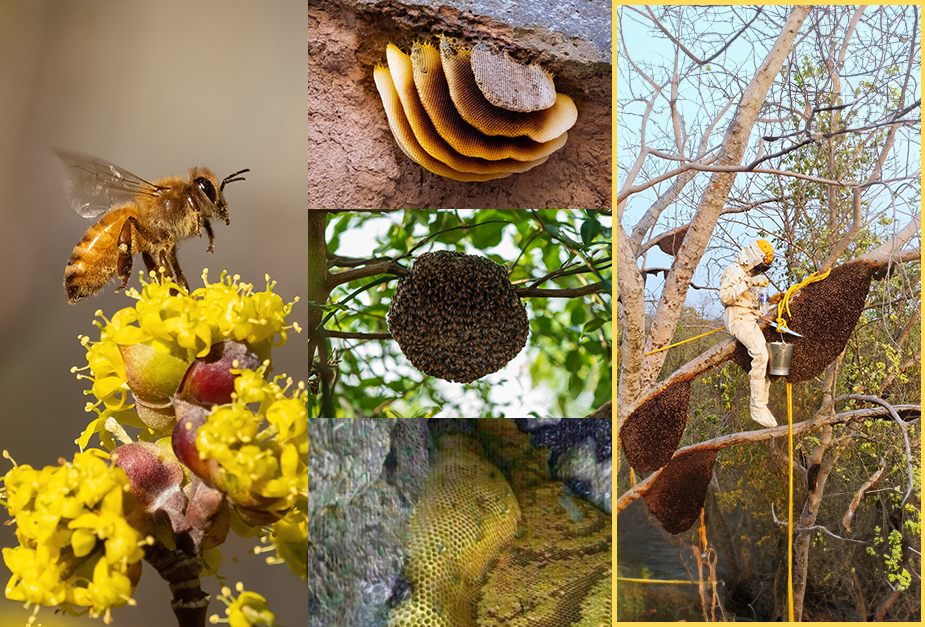
Wild Harvest
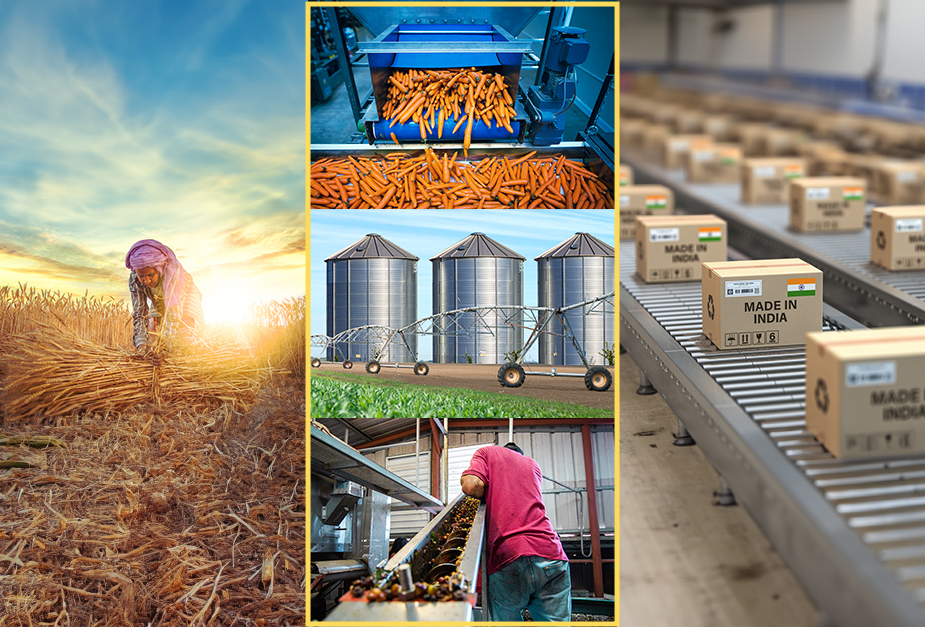
Wild collection certification is required whenever wild products are to be marketed as organic. Wild products are derived from a self sustainable growing environment.
Basic principles of wild collection Only naturally grown plants (without any agricultural interventions), Clearly defined collection
area, The collection area must not have been treated with any non allowed inputs, A good map is needed, it should contain the
outer boarders of the collecting area, Sustainable Collection: Collection does not endanger the ecosystem and that the stability of the plant
population, or the ecosystem is not threatened,
A systematic record of all activities from the collection area to the marketing of the product should be kept for the full traceability
The general requirements for organic wild collection complies with National programme for organic production (NPOP),
India (Considered equivalent to council regulation) (EC) No. 834/2007 and Swiss organic farming ordinance for plant products originating in India and USDA NOP.
There is no conversion period as long as the requirements for the organic wild collection are met.

19 500
Tons of harvest

2 720
Units of Cattle

10 000
Hectares of farm

128
Units of technic
People says about eopl
Endorsements from our clientele underscore our unwavering pursuit of excellence. Uncover the reasons behind their trust in our organic integrity.
After struggling to find a reliable certification partner for our farm, we stumbled upon EOPL, and it's been a game-changer. Their thorough process and attention to detail gave us the confidence to proudly label our produce as organic. The team's expertise and support have been invaluable, guiding us through every step of the certification journey.

We couldn't be happier with the professionalism and efficiency of Eccentric Organic. Their dedication to upholding organic standards is evident in every interaction. With their certification, we've not only enhanced the credibility of our products but also strengthened our commitment to sustainable practices. Highly recommended for anyone seeking trustworthy organic certification.

Get in touch
Ready to take the next step towards organic certification? Reach out to our expert team today for personalized guidance and support. Let's work together to cultivate a greener tomorrow.